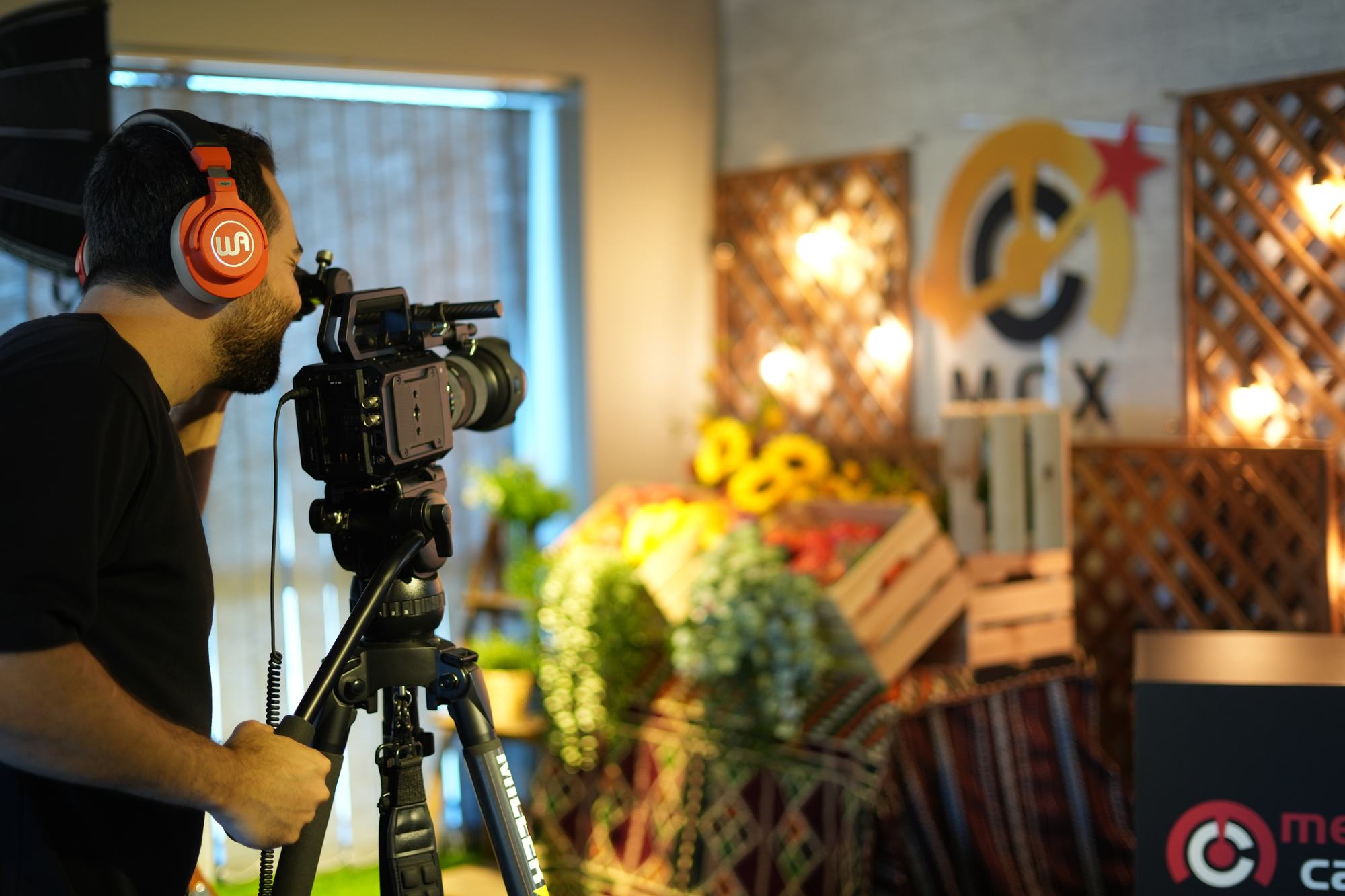
An operator behind a cinema camera on the MCX floor
Zone 04 · Cinema Cameras

Five bodies.One decision.

Blackmagic's flagship line-up on one bench, one prime and one Colbor lighting setup — so the only variable between them is the camera.

17K
Max resolution
5
Bodies
65mm
Sensor
BRAW
ProRes / RAW
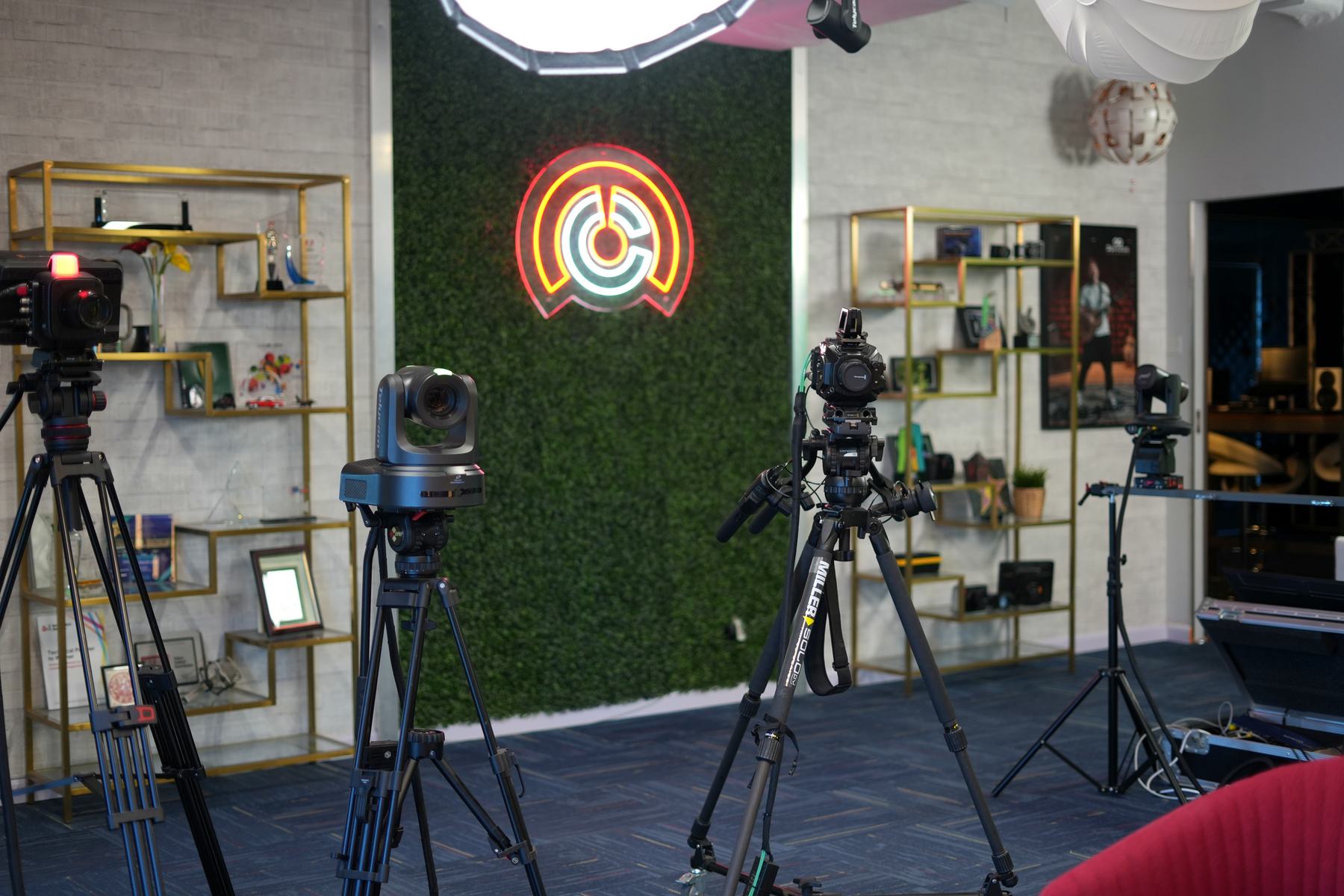
The MCX floor in Barsha Heights, benches and monitoring either side
The room

Window light, warm wallsand somewhere to actually shoot.

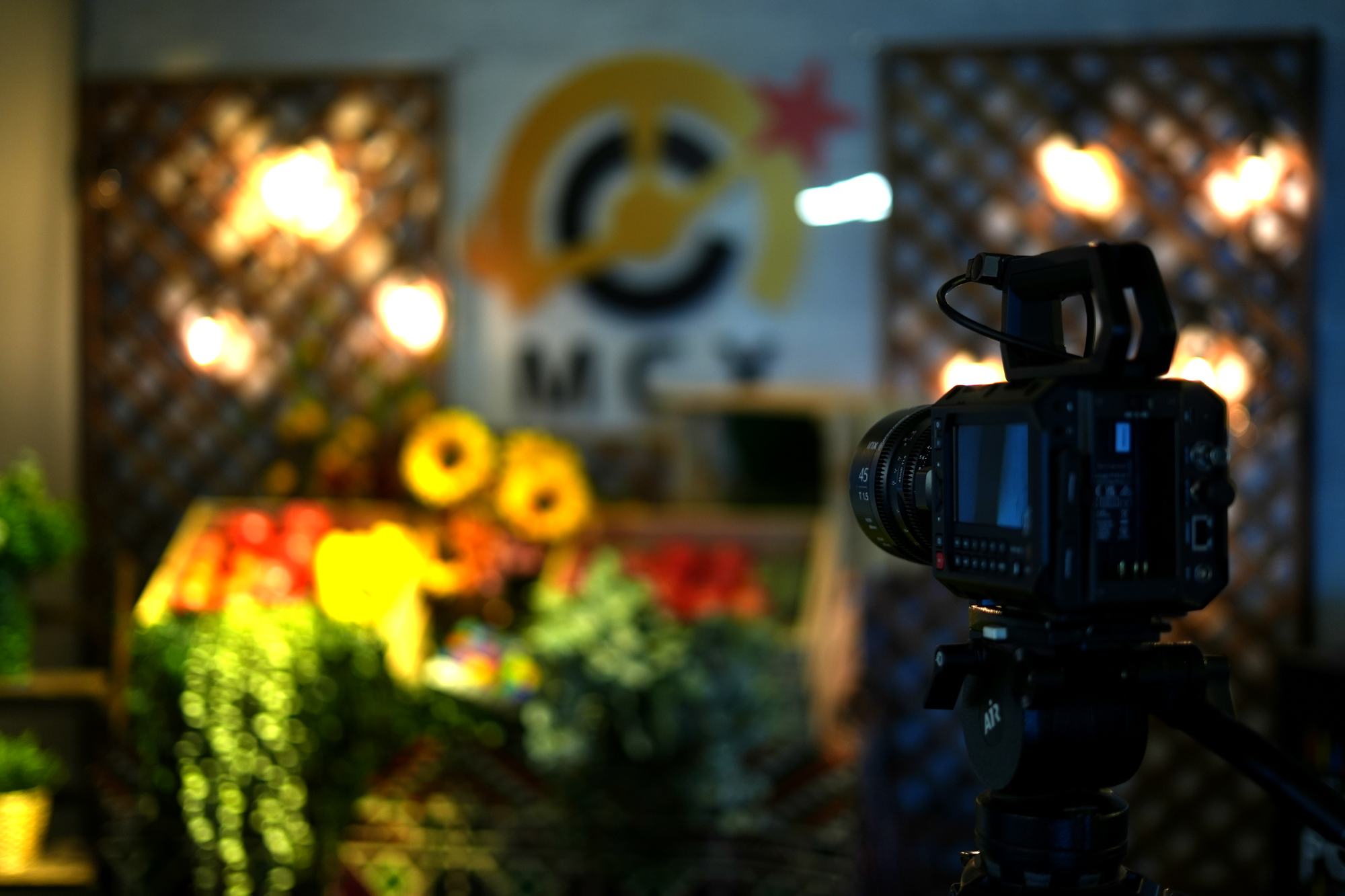
The cameras are not on plinths. They are built up, balanced and pointed at something worth exposing for.

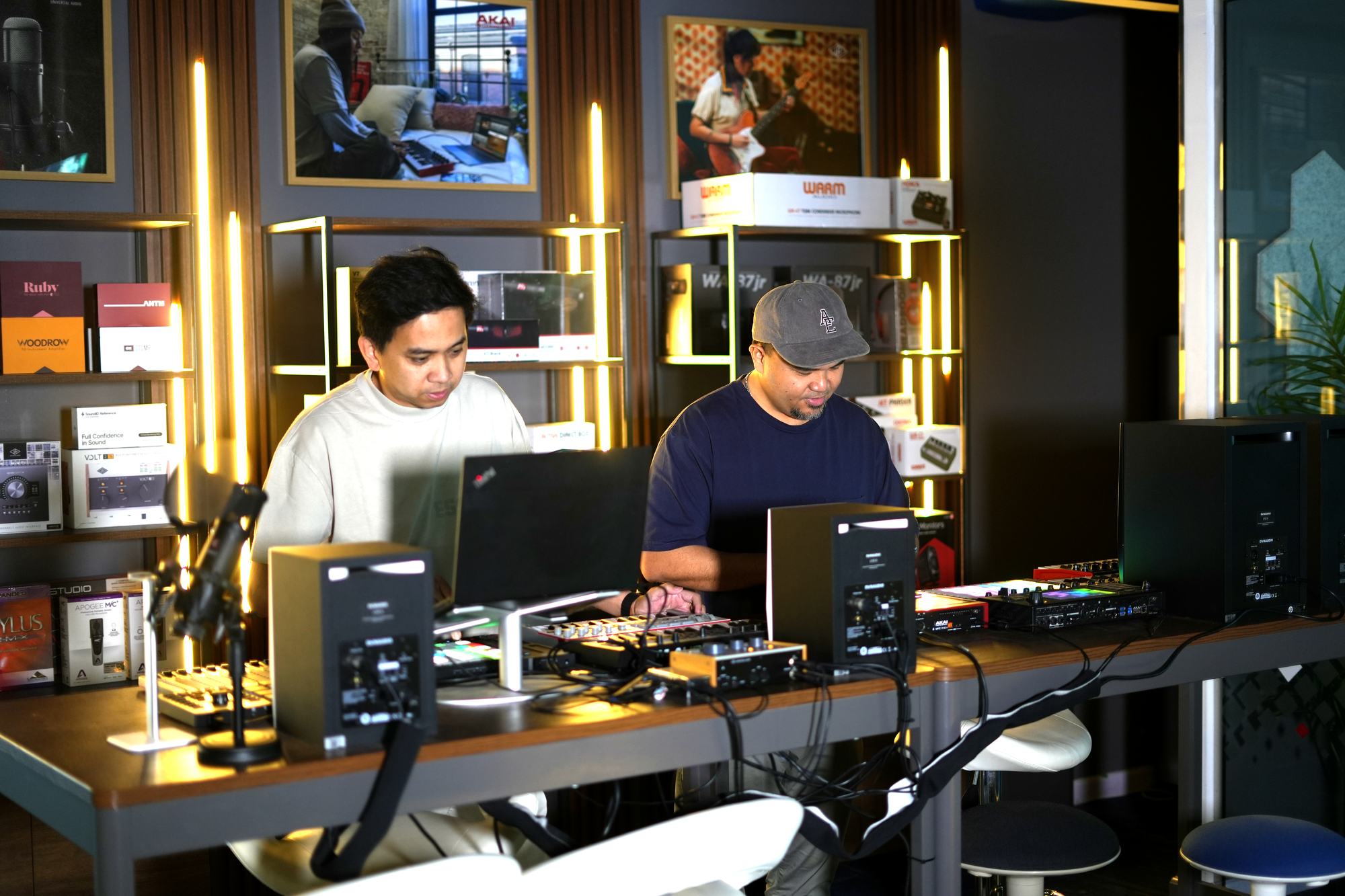
The audio bench at MCX, monitoring and interfaces in front of shelved product
On the body

What you areactually looking at.

Ask now

A question is faster than a form.

Message the floor and a specialist answers — not a queue.

The break area on the MCX floor
Behind the eyepiece

A camera is decidedby how it handles.

Balance, menus, media, monitoring — the things a specification sheet cannot tell you and an afternoon can.

The chain

What really decidesthe image.

01
Lens

A single prime, so glass stops being a variable.

02
Sensor

17K, 12K or 6K — the decision you are really making.

03
Codec

BRAW, ProRes or RAW. Compression against control against file size.

04
Media

MediaDock offload, because workflow cost is part of camera cost.

05
Grade

The only place highlight roll-off and skin tone tell the truth.

Full equipment list

Every item,by category.

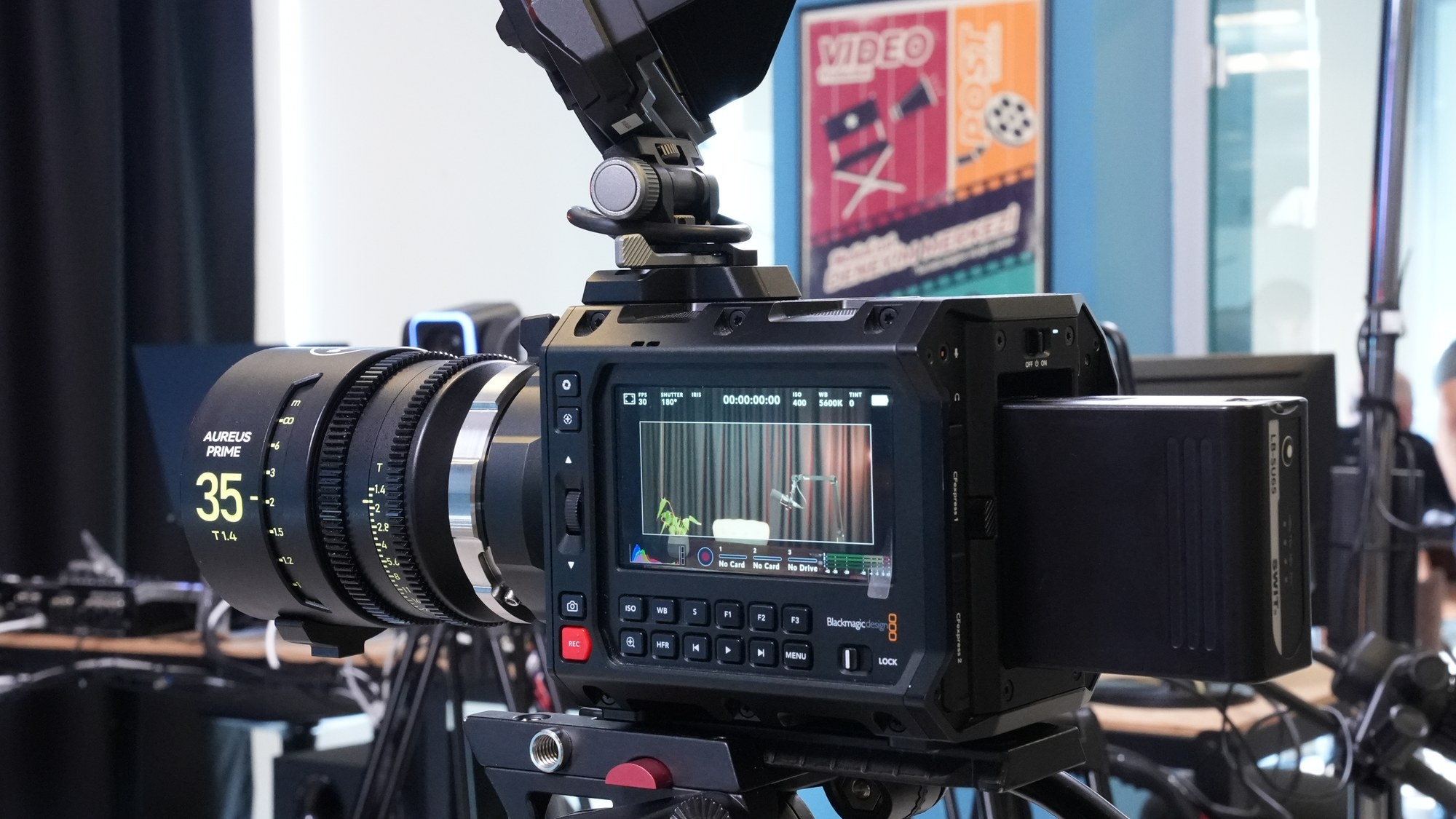
A Blackmagic cinema camera with a 35 mm cine prime, monitor showing timecode and scopes
The body and the glassA cine prime on the front and the scopes on the back — both are yours for the day

11 pieces of equipment from 3 brands, grouped by what they do.

Cinema Camera
  • Blackmagic DesignURSA Cine 17K
  • Blackmagic DesignURSA Cine 12K
  • Blackmagic DesignPYXIS 12K
  • Blackmagic DesignPYXIS 6K
  • Blackmagic DesignCinema Camera 6K
Lens
  • Prime lensOne prime, held constant across the bench
Light
  • ColborCL120R
  • ColborCL60R
SDI Monitor
  • Blackmagic DesignSmartView 4K
Resolve Color Panel
  • Blackmagic DesignMicro Panel
Storage Dock for Cine Modules
  • Blackmagic DesignMediaDock
Come and see it

Reading about it settles nothing.

Tell us what you are deciding and the room is configured before you arrive.

Why this room exists

A comparison with two variables is not a comparison

Hold the glass and the light still, and the argument takes an afternoon instead of a year.

Almost every camera comparison a buyer has been shown was invalid. Different lens, different light, different colourist, different day. What was actually being compared was somebody's taste, and the conclusion had been decided before the test began.

The bench exists to remove that. One prime, one lighting set-up, one subject, and bodies brought behind it in turn. It is a slower way to work and a duller thing to watch, and it is the only arrangement that produces an answer you can defend to whoever signs for the purchase.

Why it is laid out this way

Four decisions, and what each one rejected

A room can be arranged to demonstrate or to decide. These are the choices that make this one the second, with the alternative named rather than left out of the story.

One prime, one light, bodies swapped behind

each camera shown at its best

The variable has to be the thing you are deciding about. Everything else held still is what makes the result mean anything at all.
Your own material, or a face you have lit before

a test chart or a demo scene

Sensor size and colour science stop being specifications the moment they are applied to something you have already judged a hundred times.
Straight into the colour suite the same afternoon

judging it on the camera's own monitor

A body is not chosen on how it looks out of camera. It is chosen on what survives a grade and what it does to your storage bill, and both are downstream questions.
Ergonomics tested by whoever will carry it

the body sitting on a table

Weight, menu depth and where the record button falls decide more real outcomes than dynamic range does, and none of them appear on a datasheet.

How this room works

Built to be argued with

One prime, one light, one variable

Every body sits behind the same prime under the same Colbor set-up. Glass and light are held constant so the only thing changing is the camera. A comparison made any other way is not a comparison, and most people have been shown one.

Your own material or none

A face you have lit before, a scene you know how it should look. Sensor size and colour science stop being specifications the moment they are applied to something you have judged a hundred times.

The decision underneath

People arrive comparing resolution and leave having settled whether their post pipeline survives the file sizes, or whether the ergonomics suit the operator who will actually carry it.

Why it has to be in person

What a page cannot show you

People arrive at this bench comparing resolution and leave having settled something else entirely — usually whether their post pipeline survives the file sizes, or whether the operator who actually carries the thing can stand it for ten hours. Neither is answerable from a page. Both are answerable in an afternoon.

What you leave with

  1. A body chosen against your own footage rather than somebody's reel.
  2. A realistic figure for what the format costs you in storage and in grade time.
  3. Having held it, which changes the answer more often than anyone expects.
  4. Frequently the cheaper body — and a reason you can defend for choosing it.
VISIT

Want time in Cinema Cameras?Book your session.

Tell us what you want to test, learn or create, and a specialist will set the zone up for you.

The One Tower · Barsha Heights · Dubai
Zone 04 · Cinema Cameras
Max resolution17KBodies5Sensor65mm